TPU Color PPF or PVC Wrap? A Product Guide for Automotive Film Shops
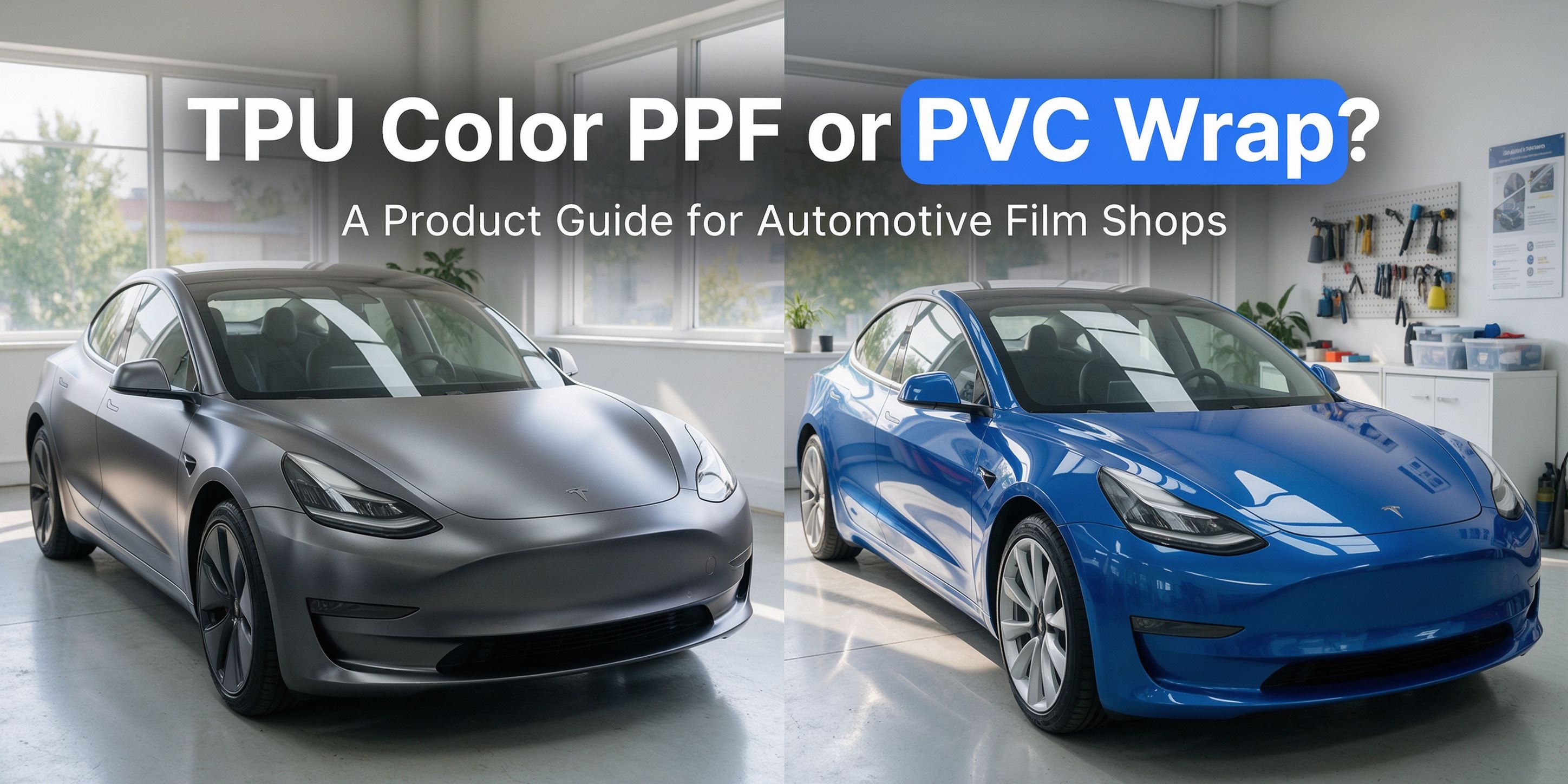
When customers want to change the color of their vehicles, traditional vinyl wraps are often one of the first options they consider. However, TPU Color PPF is becoming another option for customers who want a new appearance while also looking for paint protection.
For automotive film distributors and wrapping shops, the question is not simply which film is better. The more important question is: which product best matches your customers, services, and business model?
In this guide, we compare TPU Color PPF and traditional vinyl wraps to help your shop make a more informed product decision.
1. What Is Traditional Vinyl Wrap?
Traditional automotive vinyl wrap is commonly made from PVC (polyvinyl chloride). It is designed primarily to change a vehicle's exterior appearance or add decorative graphics.
Modern cast vinyl wrapping films are available in a wide range of colors and finishes, including gloss, matte, metallic, and special-effect options. Many premium products are designed to conform to curved vehicle panels and use repositionable adhesive technologies to support installation.
Traditional vinyl wraps are widely used for:
-
Full or partial vehicle color changes.
-
Custom vehicle styling.
-
Commercial and fleet branding.
-
Decorative graphics and personalized designs.
Their main selling point is styling flexibility. They allow customers to update the appearance of a vehicle without repainting it.
However, a standard decorative vinyl wrap should not automatically be considered equivalent to a dedicated paint protection film when it comes to impact protection.
2. What Is TPU Color PPF?
TPU Color PPF is a colored paint protection film made with thermoplastic polyurethane (TPU) as its main film material.
Unlike a traditional decorative vinyl wrap, Color PPF is positioned to combine two purposes: changing the vehicle's appearance and providing paint protection.
It gives customers another option when they want a different vehicle color but also value the protective function associated with paint protection films.
The actual protection level depends on the specific product's construction, thickness, topcoat, adhesive system, and verified performance data. Not every TPU Color PPF product has identical properties, so shops should review the technical data sheet before making performance claims.
TPU Color PPF may be suitable for customers who:
-
Want a new vehicle color and a paint protection solution.
-
Prefer a colored film rather than a transparent PPF.
-
Are willing to consider a more premium film option.
-
Want to offer a distinctive service beyond conventional color wrapping.
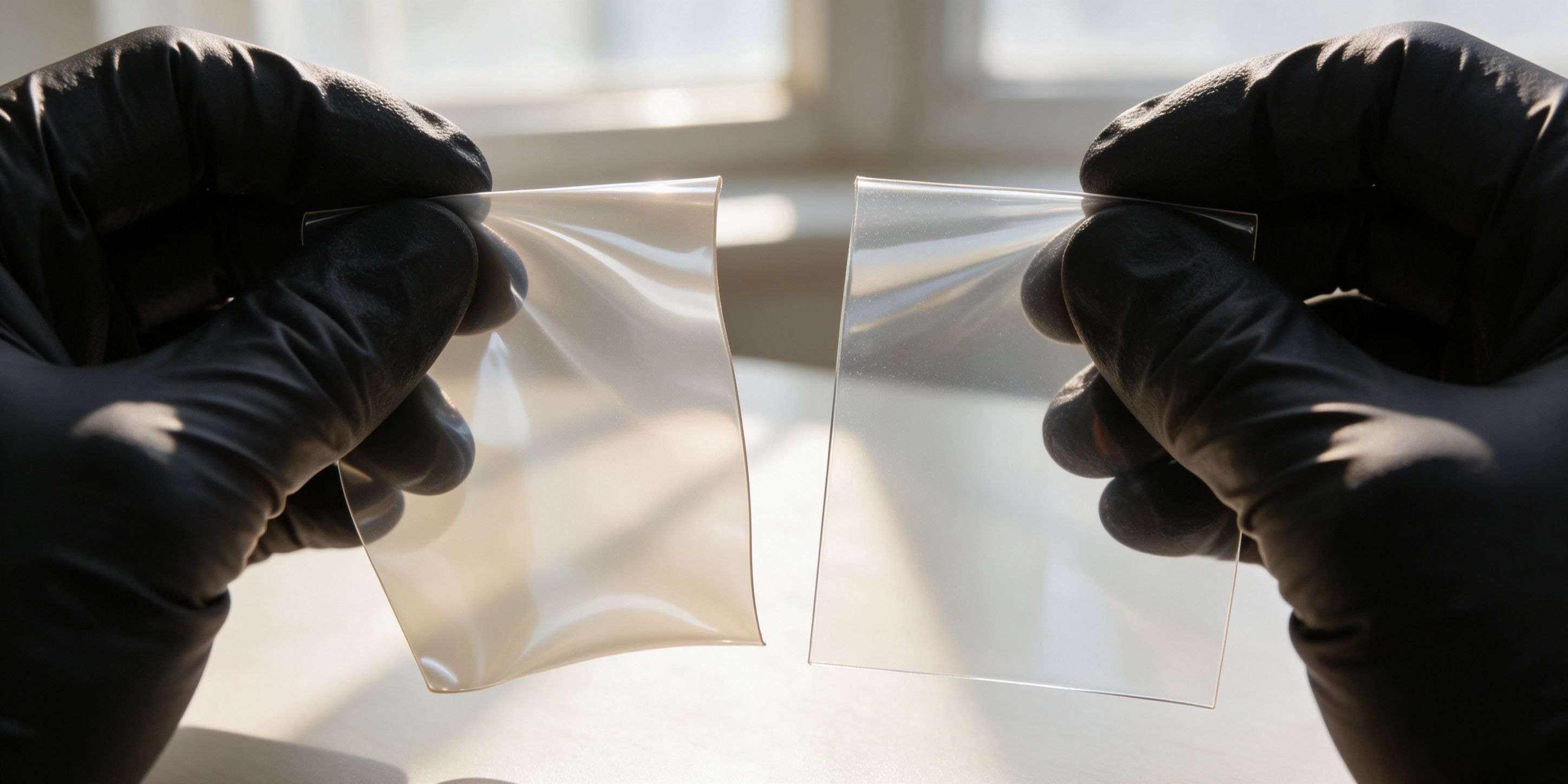
3. TPU Color PPF vs. Traditional Vinyl Wraps: Key Differences
Both products can change a vehicle's appearance, but their material choices and intended applications are different.
| Comparison | TPU Color PPF | Traditional Vinyl Wrap |
|---|---|---|
| Common main material | TPU | PVC |
| Main positioning | Color change combined with paint protection | Primarily decorative color change |
| Appearance options | Depends on the available Color PPF range | Broad range of colors, textures, and finishes |
| Paint protection | Designed as a paint protection film; actual performance depends on the model | Primarily a styling product, not a substitute for dedicated PPF |
| Installation | Follow the specific PPF manufacturer's installation instructions | Follow the vinyl manufacturer's installation instructions |
| Removal | Depends on adhesive design, film condition, paint condition, and removal procedure | Depends on adhesive design, film condition, paint condition, and removal procedure |
| Price positioning | Often positioned as a more premium option | Often offers more entry-level and mid-range choices |
| Typical customer | Customers seeking styling plus paint protection | Customers mainly seeking a color or appearance change |
One important point: these are general product-category differences, not guaranteed specifications for every film on the market. Always compare the actual technical data sheets and installation recommendations of the products you plan to sell.
4. Which Product Is Better for Your Customers?
The right product depends on what the customer values most.
Choose Traditional Vinyl Wraps for Styling-Focused Customers
Traditional vinyl wraps may be a suitable option when customers mainly want to:
-
Change their vehicle's color or finish.
-
Choose from a broad selection of decorative styles.
-
Customize a personal vehicle or company fleet.
-
Find a film solution within a specific styling budget.
For these customers, color selection, surface appearance, conformability, installation efficiency, and removal guidance are important purchasing considerations.
Choose TPU Color PPF for Customers Seeking Styling and Protection
TPU Color PPF may be a better product to discuss when customers want to combine a new vehicle appearance with the protective purpose of PPF.
Before recommending a particular model, your shop should check:
-
Film construction and total thickness.
-
Topcoat characteristics and available test data.
-
Adhesive performance and installation requirements.
-
Supported colors and finishes.
-
Warranty conditions, if a warranty is offered.
-
Maintenance and removal instructions.
Do not rely on the material name alone. A TPU label does not automatically prove a specific level of self-healing, yellowing resistance, durability, or impact protection.
5. Should Your Shop Offer Both Products?
For many automotive film businesses, offering both products can create a more flexible service range.
Different customers have different priorities. Some mainly want a new color at a particular price point, while others are willing to consider a paint protection product that also changes the vehicle's appearance.
A two-product strategy can help your shop serve both groups.
Traditional Vinyl Wraps: Your Styling Range
Build a selection around popular colors, finishes, and customer preferences. Consider the demand in your local market, available inventory, and installation requirements.
TPU Color PPF: Your Color-and-Protection Range
Introduce selected colors and finishes for customers who are specifically interested in combining vehicle customization with paint protection.
You do not need to stock every color at the beginning. Start with a manageable selection based on local demand, supplier availability, and customer feedback.
6. What Should You Check Before Choosing a Film Supplier?
Product selection is only one part of the decision. Your supplier also affects inventory planning, installation support, and long-term customer satisfaction.
Before purchasing, consider the following points:
1. Product Specifications
Request the technical data sheet for each model. Check the material, construction, thickness measurement method, adhesive system, and application recommendations.
2. Color Consistency
Ask how color consistency is managed between production batches. For shops handling repeat orders or partial-panel replacements, consistent color matching is particularly important.
3. Installation and Removal Guidance
Make sure you can obtain clear installation instructions and removal recommendations. Different film constructions and adhesive systems may require different handling methods.
4. Samples and Product Evaluation
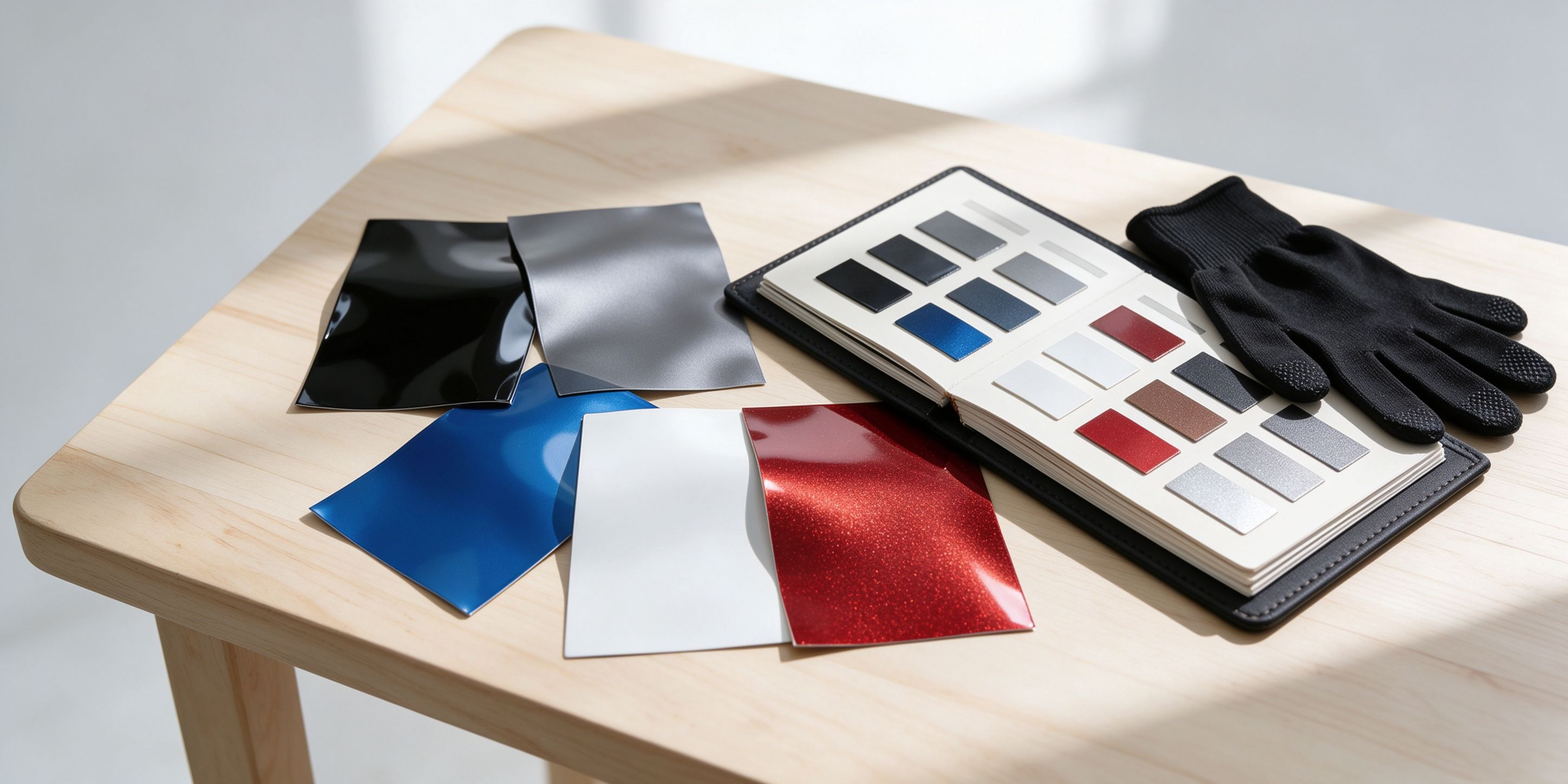
Review actual samples before making a large inventory commitment. Compare color, surface appearance, flexibility, and feel under suitable lighting conditions.
5. Warranty and After-Sales Support
Ask for written warranty terms and check exactly which defects and conditions are covered. Do not assume that all products from the same supplier have the same warranty.
A reliable supplier should be able to explain the specifications and limitations of each product clearly.
7. Final Thoughts: Build a Product Range Around Your Market
TPU Color PPF and traditional vinyl wraps serve related but different customer needs.
Traditional vinyl wraps remain a practical choice for styling-focused projects, while TPU Color PPF offers a color-change option within the paint protection film category.
For a wrapping shop or distributor, the decision should be based on local customer demand, product performance, installation capabilities, and business positioning—not simply on which material sounds more advanced.
If your customers mainly prioritize color variety and styling budgets, traditional vinyl wraps may deserve more attention. If they are looking for color customization together with paint protection, TPU Color PPF may be worth adding to your range.
At AICI, we work with automotive film products including TPU Color PPF and PVC color change films. Contact our team to discuss product options, available colors, and wholesale cooperation for your market.
Frequently Asked Questions
Q1: Is TPU Color PPF the same as traditional vinyl wrap?
No. TPU Color PPF is a paint protection film made with TPU as its main film material, while traditional automotive vinyl wrap is commonly PVC-based and primarily designed for decorative color changes.
Q2: Does traditional vinyl wrap protect vehicle paint?
A vinyl wrap covers the original surface and may provide a degree of protection against everyday contact. However, a standard decorative vinyl wrap should not be marketed as equivalent to a dedicated paint protection film for impact protection.
Q3: Is TPU Color PPF always thicker than vinyl wrap?
Not necessarily. Thickness varies by product and measurement method. Compare the technical data sheets of the specific models rather than assuming that every TPU film is thicker than every vinyl film.
Q4: Can a wrapping shop sell both TPU Color PPF and vinyl wrap?
Yes. They can serve different customer preferences and price points. Offering both may help a shop provide more flexible customization and protection-related solutions.
Q5: What should I check before buying TPU Color PPF?
Review the technical data sheet, film construction, thickness, adhesive system, installation instructions, available colors, sample quality, and written warranty conditions.
Glossy vs. Satin Color PPF: Key Differences
Private Label PPF Manufacturer: How to Start Your Own Paint Protection Film Brand